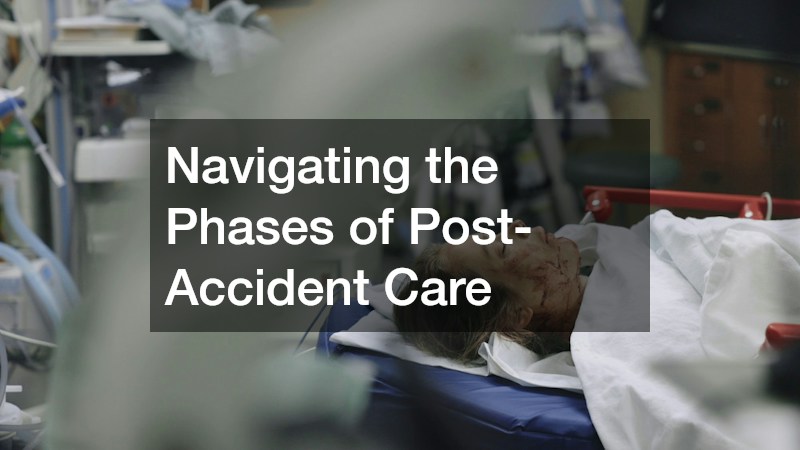
Navigating the aftermath of a traumatic collision can feel overwhelmingly complex. Individuals are suddenly tasked with balancing physical healing, legal obligations, mental wellness, and administrative duties. A structured approach to recovery ensures that health outcomes are optimized while reducing stress for both the individual and their supporting family members. Understanding the full continuum of recovery helps set realistic expectations and guarantees that critical steps are not overlooked. By breaking down the process into distinct phases, patients can approach each step with clarity, confidence, and purpose.
Initial Response and Emergency Stabilization
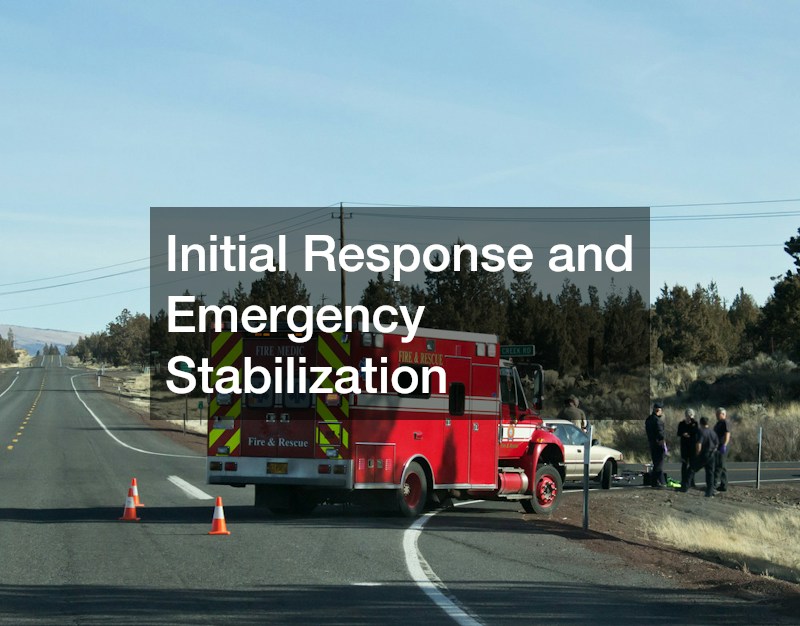
The initial moments and hours following a traumatic event set the foundation for long-term health outcomes. Prioritizing immediate evaluation minimizes the risk of hidden injuries becoming chronic conditions.
Seeking Professional Evaluation Promptly
Directly following a collision, the body releases a surge of adrenaline and endorphins. These natural chemicals temporarily mask physical pain, leading many individuals to believe they escaped without injury. However, severe internal issues, soft tissue damage, and traumatic brain injuries may not manifest noticeable symptoms until days or weeks later. Securing immediate medical care ensures that hidden trauma is identified and documented early. Emergency personnel and urgent care clinicians evaluate vital signs, order necessary imaging, and construct a crucial baseline medical record. This early documentation links specific physical trauma directly to the incident.
- Request comprehensive diagnostic imaging such as X-rays or CT scans even if you feel relatively fine immediately after the crash.
- Keep a continuous daily symptom journal noting any new onset headaches, dizziness, back tension, or joint soreness.
- Follow all initial discharge instructions without alteration until you can consult with your primary healthcare provider.
Coordinating Initial Documentation and Legal Protections
While physical health remains the ultimate priority, securing your rights during the earliest phase of recovery prevents significant obstacles later. Obtaining copies of police reports, taking detailed photographs of physical injuries, and retaining all initial discharge documentation creates a clear timeline. Early communication with an auto accident attorney can help safeguard your rights and navigate complex liability conversations while you focus entirely on initial physical stabilization. Establishing clear legal representation early removes the burden of dealing directly with claims adjusters during a period when rest is paramount.
- Collect and organize contact information from all parties involved, including witnesses, responding officers, and medical technicians.
- Avoid making detailed oral or written statements to insurance representatives before consulting professional legal representation.
- Request official, certified copies of all police crash reports and initial emergency room discharge paperwork.
Establishing an Emergency Support System
Recovery rarely occurs in isolation. In the immediate aftermath, reaching out to trusted family members, close friends, or designated caregivers creates a crucial buffer between the patient and daily operational stressors. Entrusting household responsibilities, child care, and early paperwork management to a reliable support system allows the injured individual to dedicate maximum energy toward early rest and medical compliance.
- Designate one trusted family member or friend as your primary administrative liaison to manage non-urgent incoming calls.
- Create a centralized digital folder or physical binder to store incoming medical bills, receipts, and appointment schedules.
- Outline daily essential home duties so supportive volunteers know exactly how to assist without overwhelming your space.
Acute Physical Recovery and Medical Management
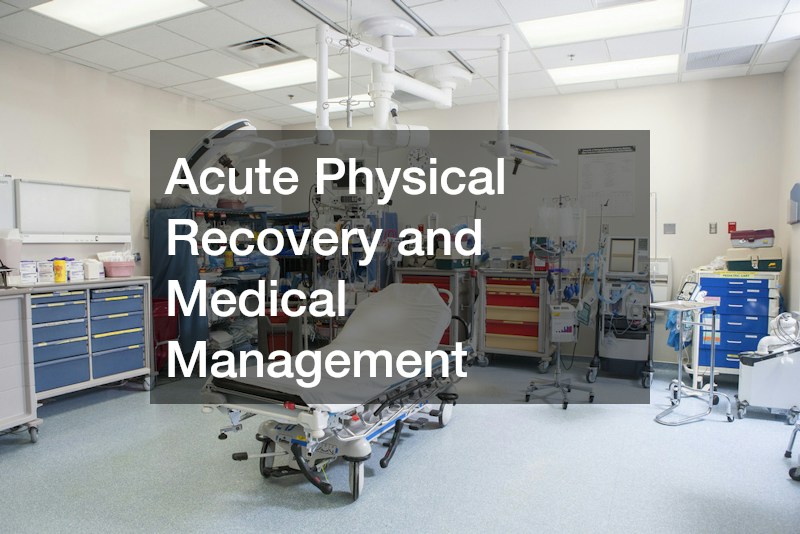
Once immediate life threats or severe acute injuries are stabilized, the primary focus transitions toward structured medical intervention, healing wounds, and pain management.
Understanding Outpatient and In-Home Clinical Support
Transitioning from a hospital setting back to a residential space presents unique physical challenges. Patients frequently require ongoing clinical procedures, bandage changes, and infection monitoring. Professional home wound care provides patients with specialized nursing assistance, ensuring surgical incisions and abrasions heal cleanly while dramatically reducing the likelihood of dangerous secondary infections or hospital readmissions.
- Inspect all surgical incision sites or skin abrasions twice daily for signs of abnormal redness, warmth, or increased drainage.
- Ensure all home nursing staff or family caregivers wash their hands thoroughly before touching dressing materials or exposed skin.
- Maintain a strict schedule for changing sterile dressings strictly following your attending physician’s precise instructions.
Managing Acute Pain and Inflammation Responsibly
Managing acute pain requires a comprehensive, balanced strategy tailored to individual sensitivities and medical history. Rather than relying solely on oral medications, integrated clinical plans often incorporate localized thermal therapies, gentle range-of-motion routines, and targeted physical modalities. Following prescribed clinical regimens precisely helps keep inflammation controlled, supporting deeper rest and accelerating natural physiological healing mechanisms.
- Apply ice packs wrapped in thin towels to acute swellings for fifteen to twenty minutes at a time throughout the initial recovery phase.
- Take prescribed pain-relieving medications exactly as directed rather than waiting for severe discomfort to peak unexpectedly.
- Discuss non-pharmacological pain relief methods such as transcutaneous electrical nerve stimulation with your clinical management team.
Maximizing Rest and Nutritional Support
Cellular repair requires significant metabolic energy. During acute physical recovery, prioritizing uninterrupted sleep and nutrient-dense fuel is essential. Consuming adequate protein, vitamins C and Zinc, and maintaining optimal hydration supports tissue synthesis and cellular repair. Restricting non-essential daily activities creates an environment where the immune system can dedicate its resources fully to repairing damaged structures.
- Consume clean, high-protein foods like lean meats, beans, or eggs to provide necessary amino acids for damaged muscle repair.
- Aim for eight to nine hours of continuous sleep each night in a quiet, dark, and temperature-regulated bedroom environment.
- Limit intake of processed sugars and inflammatory refined foods that can sluggishly slow down your body’s natural cellular healing.
Post-Acute Rehabilitation and Restoration of Function
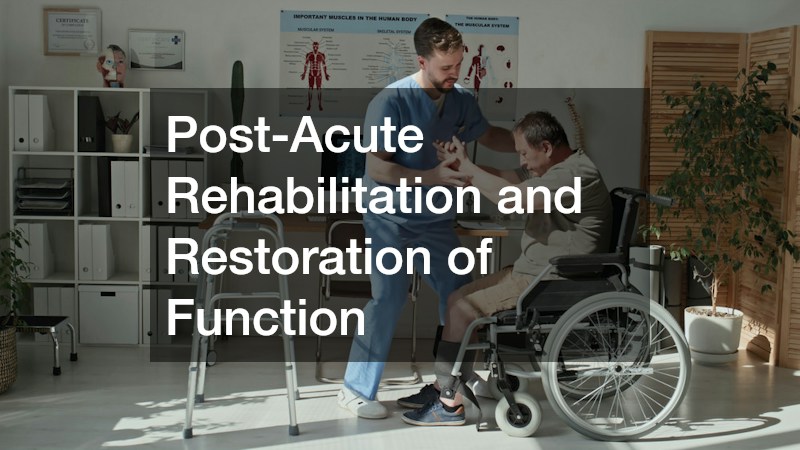
As primary structural wounds close and acute pain begins to subside, the trajectory shifts toward functional restoration, strength rebuilding, and mobility enhancement.
Engaging Structured Physical and Occupational Interventions
Restoring optimal mobility, strength, and endurance demands professional intervention tailored to specific injury profiles. Tailored therapy services assist individuals in regaining lost range of motion, improving joint stability, and rebuilding neuromuscular pathways safely. Physical therapists design structured exercises that progress incrementally, ensuring tissues are challenged without being re-injured, while occupational therapists assist in adapting daily routines to support safe functional independence.
- Commit faithfully to performing prescribed home exercise routines between formal clinic visits to maintain continuous momentum.
- Communicate open and honest feedback to your therapist if any specific movement produces sharp, localized, or severe pain.
- Utilize adaptive equipment such as grab bars, long-handled sponges, or specialized eating utensils during early functional retraining.
Rebuilding Structural Integrity Through In-Patient Care
When injuries are extensive, such as complex fractures, spinal cord trauma, or severe neurological impairment, standard outpatient visits may not offer sufficient intensity. Admitted stays at specialized rehab facilities provide comprehensive, multi-disciplinary care where physical, occupational, and speech therapists collaborate directly with supervising physicians. This intensive environment accelerates recovery by offering round-the-clock supportive care and highly structured therapeutic schedules.
- Establish clear, measurable weekly recovery goals alongside your multi-disciplinary care team during clinical rounds.
- Participate actively in every scheduled physical, occupational, or speech therapy session to build consistent stamina.
- Encourage family members to attend scheduled training sessions so they learn proper assist techniques for your upcoming discharge.
Incorporating Complementary Bodywork and Wellness Modalities
Beyond classical exercise-based rehabilitation, soft tissue maintenance plays a vital role in preventing scar tissue adhesion and promoting lymphatic drainage. Utilizing targeted in-home post op massage helps relieve deep muscle tension, enhances systemic circulation, and reduces localized swelling without requiring the stress of traveling to an external clinic. Integrating these specialized bodywork techniques creates a supportive environment for long-term tissue elasticity.
- Confirm that any massage therapist you hire is fully licensed and specifically trained in post-traumatic or post-surgical rehabilitation.
- Drink plenty of water immediately following bodywork sessions to help your body flush away released metabolic byproducts.
- Schedule bodywork treatments on days when you do not have strenuous physical therapy sessions to avoid overworking delicate muscles.
Holistic Healing, Wellness, and Long-Term Maintenance
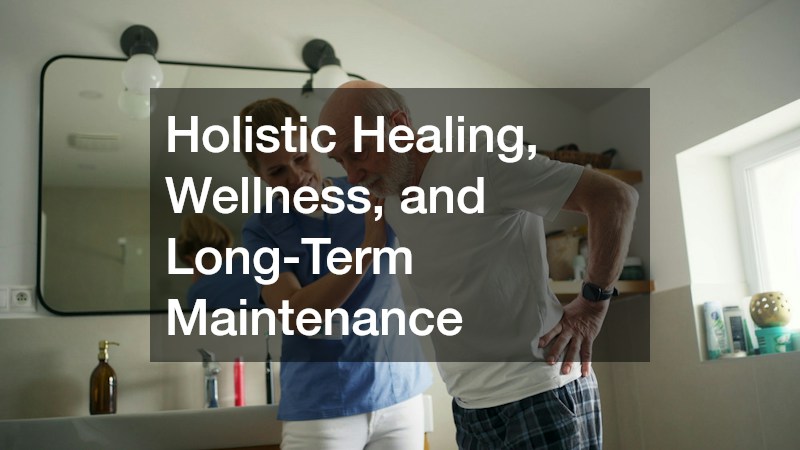
True recovery extends beyond structural repair. Addressing lingering inflammation, systemic stress, and aesthetic concerns promotes complete, multi-faceted wellness.
Utilizing Non-Invasive Therapeutic Technologies
Modern holistic recovery incorporates advanced clinical modalities designed to rejuvenate tissue at a cellular level. Exploring specialized med spa services allows individuals to access therapies such as infrared light exposure, cryotherapy, or hyperbaric oxygen treatments. These supportive non-invasive treatments stimulate micro-circulation, mitigate lingering systemic inflammation, and restore skin vitality impacted by scarring or extended immobility.
- Consult your primary rehabilitation physician prior to booking non-invasive spa treatments to verify safety for your condition.
- Start with gentle, low-intensity holistic sessions to assess how your recovering nervous system responds to new therapies.
- Pair non-invasive skin and micro-circulation therapies with appropriate hydration and daily topical moisturizing care regimens.
Transitioning to Daily In-Home Support Services
Sustaining recovery progress requires a steady balance between therapeutic exercise and safe daily living environments. Utilizing in home health care allows patients who face lingering mobility limitations to receive assistance with daily activities, medication management, and specialized exercises within the familiar comfort of their own residences. This continuous aid bridges the gap between structured clinical settings and long-term independent living.
- Conduct a thorough environmental audit of your living space to remove tripping hazards like loose rugs or cluttered hallways.
- Schedule home aid visits during peak fatigue times of day to ensure you receive help when energy levels are lowest.
- Maintain an updated, easily accessible binder containing emergency contact numbers and current medication administration schedules.
Addressing Psychological Traumas and Emotional Stress
Physical healing is intrinsically tied to emotional and psychological well-being. Experiencing a sudden, traumatic collision often leads to elevated anxiety, sleep disruptions, or symptoms of post-traumatic stress. Integrating cognitive behavioral strategies, mindfulness practices, and professional counseling ensures that mental recovery keeps pace with physical rehabilitation, fostering genuine long-term resilience.
- Practice deep breathing exercises or guided meditation for ten minutes daily to calm an overactive nervous system.
- Join local or online support communities where individuals share personal experiences and coping methods after severe accidents.
- Speak openly with a professional mental health counselor if you experience persistent anxiety, flashbacks, or avoidance behaviors.
Administrative, Financial, and Legal Stabilization
Navigating the financial and administrative aspects of recovery is essential for protecting long-term personal stability and ensuring continuity of care.
Managing Claims and Policy Communications Effectively
Handling insurance communications requires diligent organization and precise record-keeping. Dedicated insurance agents can assist in explaining policy limits, clarifying coverage details, and ensuring that medical claims are processed correctly without unexpected out-of-pocket expenses. Maintaining detailed logs of every interaction, claim number, and medical invoice prevents administrative oversight and financial stress.
- Request written confirmation for all verbal agreements, coverage decisions, or authorization approvals made over the telephone.
- Review your Explanation of Benefits forms systematically against medical bills to identify potential billing errors promptly.
- Keep copies of all mailed correspondence, including dates, names of representatives, and exact summary details of discussions.
Protecting Family Financial Security Long-Term
Major unexpected life events highlight the vital importance of long-term financial planning and asset protection. Ensuring that updated life insurance policies are properly structured provides invaluable peace of mind for families navigating uncertain recovery timelines. Reviewing existing policies and beneficiary designations ensures that your family remains fully protected against unexpected future contingencies.
- Schedule an annual financial review with a trusted advisor to assess your family’s overall long-term security plan.
- Confirm that primary and secondary beneficiary designations on all protective policies accurately reflect your current wishes.
- Store physical policy documents alongside digital back-ups in a secure, fireproof safe that designated loved ones can access easily.
Organizing Medical Documents and Expense Records
Keeping an organized system for medical bills, receipts, treatment plans, and discharge sheets simplifies both legal claims and personal financial tracking. Utilizing physical binders or secure digital folders organized chronologically ensures that any required evidence or documentation can be retrieved quickly by legal or medical professionals.
- Categorize records into distinct sections such as physician visits, pharmacy expenses, therapy sessions, and diagnostic reports.
- Log out-of-pocket transportation costs, including fuel or parking fees incurred while traveling to rehabilitation facilities.
- Scan paper documents immediately into a password-protected cloud drive to maintain secure digital duplicate backups.
Adapting Work and Lifestyle for Permanent Wellness
The final phase of post-accident care involves successfully re-integrating into professional and social roles while honoring any long-term physical modifications.
Transitioning Back to Professional Duties Smoothly
Returning to work should be a phased, thoughtful process rather than an immediate return to full capacity. Work closely with medical providers to outline clear work restrictions, ergonomic requirements, or modified duty schedules. Open communication with employers regarding reasonable accommodations prevents re-injury and supports a sustainable, stress-free return to the workplace.
- Schedule a formal return-to-work conference with human resources to discuss clear, reasonable workplace accommodations in advance.
- Take short, micro-breaks every hour to stretch, change posture, or rest your eyes during initial work shifts.
- Request ergonomic workspace adjustments, such as supportive seating or standing desks, to protect your recovering spine.
Implementing Permanent Lifestyle Adjustments
Long-term health often requires permanent shifts in daily routines, ergonomics, and physical activity choices. Adopting proactive body mechanics during daily tasks, maintaining a consistent core-strengthening regimen, and listening carefully to early warning signs of physical fatigue will preserve the functional gains achieved throughout the rehabilitation journey.
- Perform daily low-impact exercises, like swimming or walking, to maintain cardiovascular health without straining vulnerable joints.
- Use proper lifting techniques by bending at the knees and holding objects close to your body rather than straining your back.
- Invest in high-quality supportive footwear and ergonomic household furniture that encourages neutral spine alignment daily.
Cultivating a Sustained Community and Care Network
Maintaining connection with support groups, trusted healthcare practitioners, and active wellness communities fosters ongoing motivation. Healing from significant trauma is a multi-stage journey, and maintaining a reliable network ensures continued access to encouragement, resources, and expert guidance whenever physical or emotional challenges resurface.
- Keep annual check-up appointments with your medical specialists to monitor long-term joint and soft tissue health progress.
- Stay active in wellness communities or peer support networks that encourage healthy, vibrant, and resilient daily living habits.
- Revisit your long-term wellness goals periodically to celebrate personal recovery milestones and update your health activities.
A structured, patient approach to post-accident care transforms a chaotic period into a manageable, step-by-step pathway toward complete healing. By addressing emergency needs, acute medical care, physical rehabilitation, holistic wellness, and administrative requirements with equal diligence, individuals safeguard both their immediate recovery and long-term quality of life. Taking proactive, informed control of each recovery phase ensures that health, financial stability, and personal well-being are fully restored.