
Key Takeaways
- Buying in bulk eliminates single-use packaging and often costs less per unit than pre-packaged alternatives
- Food waste accounts for roughly one-fifth of the global food supply, making mindful eating one of the highest-impact changes you can make
- Meal planning before grocery shopping prevents impulse buys and shrinks the pile of forgotten produce in your crisper drawer
- Reusable containers, cloth bags, and glass jars turn a messy bulk aisle trip into a smooth, repeatable routine
- Conscious purchasing habits can slash personal waste output by more than half without major lifestyle overhauls
- Starting with one category, such as grains or snacks, is more sustainable than trying to overhaul your entire pantry overnight
- Community resources like co-ops, farmers markets, and refill shops make low-waste shopping accessible in most regions
The Overwhelm of Starting Something New
Walk into any grocery store and the packaging hits you first. Plastic clamshells around berries. Boxes inside boxes. Individually wrapped granola bars tucked into another plastic sleeve. For anyone who wants to cut back on waste, the sheer volume of stuff can feel paralyzing before you even reach the checkout.
Most people who try to reduce household trash quit within a few weeks. Not because they lack motivation, but because the advice they find online assumes you already own fifty mason jars and live two blocks from a package-free grocer. Real life rarely looks like that. Real life looks like a busy weeknight, a hungry family, and a pantry that needs restocking by Thursday.
This guide skips the perfectionism and gets practical. It walks through the two biggest friction points, buying groceries without packaging and eating the food you actually bring home, and offers solutions you can apply this week.
What Does Going Low-Waste Actually Mean?
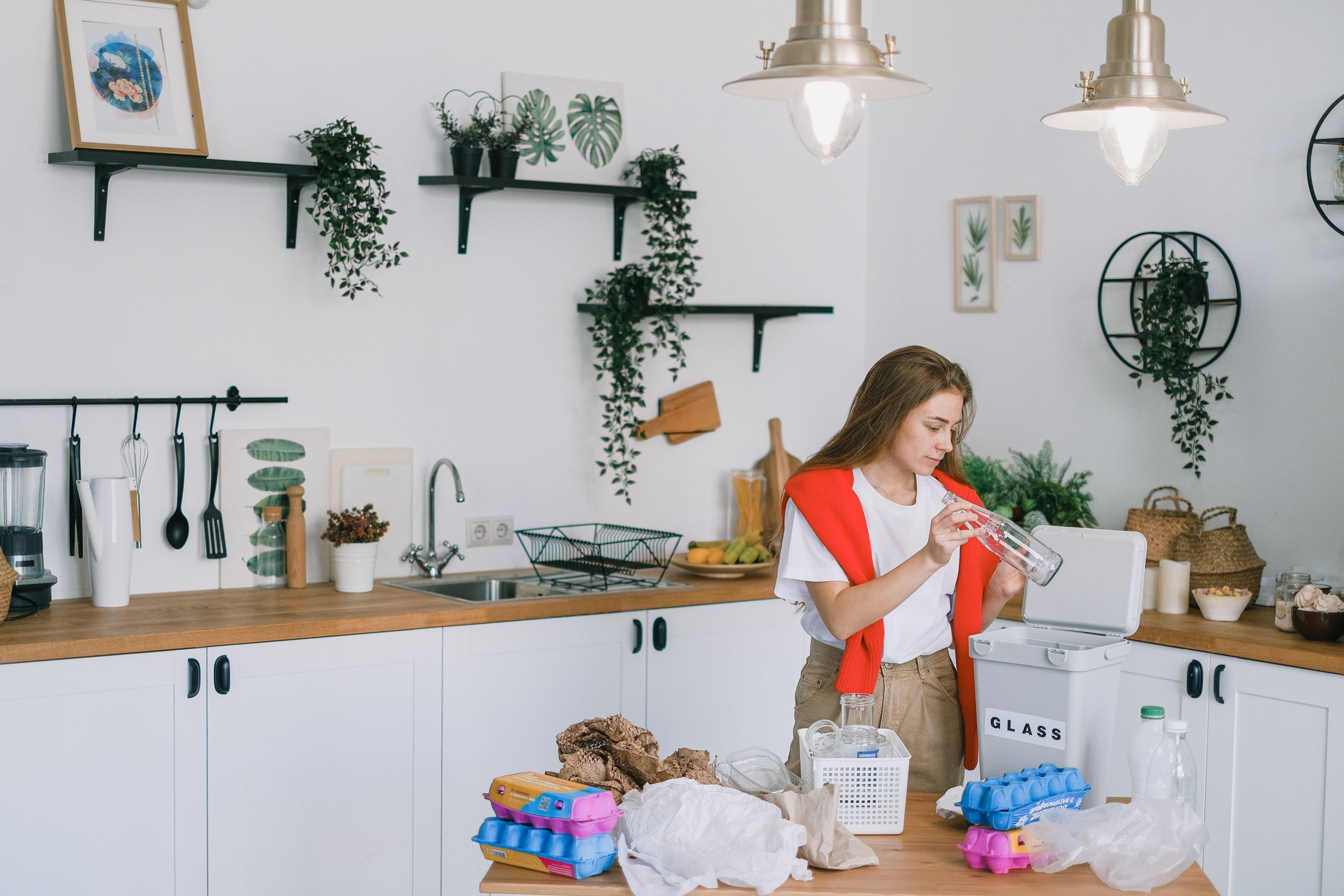
Before solving problems, it helps to define the goal. So what is zero waste lifestyle really about? At its core, it’s a commitment to sending as little as possible to the landfill by rethinking how you buy, use, and dispose of everyday items. It’s not about producing a single jar of trash per year, though some influencers make it look that way.
The movement has grown faster than most people realize. According to Sustainable Jungle, 174 million participants joined Plastic Free July in 2025, collectively keeping around 290,000 metric tons of plastic out of circulation in a single month. Even more encouraging, 86 percent of those participants said their new habits stuck after the challenge ended.
That stickiness matters. It means small shifts, repeated consistently, become permanent. You don’t need to overhaul your kitchen in a weekend. You need a few good habits that fit your actual schedule.
Problem One: The Bulk Aisle Feels Confusing
The bulk section can intimidate anyone used to grabbing a boxed product and leaving. Which bins are which? Do you weigh the jar first? What if you spill? These small uncertainties keep many shoppers walking right past the dispensers.
Here’s how to make it manageable. Start by bringing containers you already own, cleaned-out pasta sauce jars work perfectly. Most stores will tare the weight of your container at the customer service desk before you fill it, so you only pay for the contents. Write the bin number on a piece of masking tape or use a grease pencil directly on the jar lid.
Items That Are Easiest to Buy Loose
Not every product makes sense to buy in bulk when you’re starting out. Focus on these first:
- Dry grains like rice, oats, and quinoa
- Nuts, seeds, and dried fruit
- Coffee beans and loose-leaf tea
- Spices, which are dramatically cheaper by weight
- Flour, sugar, and baking staples
- Pasta and dried beans
The environmental math adds up quickly. Progressive Grocer reports that if shoppers across the country bought all their almonds in bulk for a single year, 72 million pounds of packaging waste would be diverted from landfills. That’s one product category. Imagine the ripple effect across your entire pantry.
Problem Two: Food Keeps Going Bad Before You Eat It
The second major hurdle has nothing to do with packaging. It’s the slow, sad decay of produce in the back of the fridge. According to the United Nations, humanity throws away roughly one billion tonnes of edible food each year, which represents nearly a fifth of everything available to consumers.
That statistic stings because most of us contribute to it without meaning to. We buy the big bag of spinach with good intentions and then watch it liquefy by day six. The fix isn’t guilt, it’s planning.
Mindful eating starts before you shop. Spend ten minutes on a Sunday jotting down what meals you’ll actually cook that week. Check what’s already in the fridge and pantry so you don’t duplicate. Build your grocery list around specific recipes rather than vague categories like “vegetables.” This single habit does more for reducing household waste than any fancy composting setup.
Problem Three: The Habits Don’t Feel Worth the Effort
A lot of people wonder whether individual choices really move the needle. The honest answer is yes, and the data backs it up. Scrapp Zero notes that conscious consumption can reduce personal waste footprints by 50 to 80 percent when practiced consistently. That’s not a rounding error. That’s a meaningful dent in what one household sends to the dump each year.
Beyond the numbers, there’s a quieter benefit. Sustainable living tends to save money once the initial container collection is done. Bulk staples cost less per ounce. Meal planning cuts impulse spending. Cooking from scratch with whole ingredients beats takeout prices almost every time.
Building Momentum Without Burnout
The trick is picking one change and sticking with it for a month before adding another. Trying to flip every habit at once guarantees you’ll drop most of them. Here’s a reasonable progression:
- Month one: bring reusable bags to every shopping trip
- Month two: replace one packaged pantry item with a bulk version
- Month three: start weekly meal planning
- Month four: add a compost bin or service
- Month five: tackle household products like cleaners or soap
For a broader perspective on weaving these changes into your overall routine, these sustainable holistic lifestyle tips cover how daily wellness choices and environmental ones reinforce each other.
Problem Four: I Don’t Know Where to Shop

Access varies wildly by region. If you live in a major city, you might have a dedicated refill shop within walking distance. In smaller towns, you may need to piece together a few different stores. Neither situation is hopeless.
Food co-ops almost always have robust bulk sections and welcome newcomers. Farmers markets eliminate packaging by default, since produce typically comes loose or in paper bags you can reuse. Ethnic grocers, particularly South Asian, Middle Eastern, and East Asian markets, often sell spices, grains, and legumes in large bags at prices that embarrass conventional supermarkets.
What to Look for Online
When physical options are limited, several online retailers ship in minimal or compostable packaging. Look for companies that:
- Use paper or cardboard instead of plastic mailers
- Offer refills or container return programs
- Source locally when possible to reduce shipping distance
- Provide clear disposal instructions for any packaging they do use
Don’t overlook your own neighborhood. Buy Nothing groups on social media platforms often have members giving away jars, containers, and surplus produce. Community fridges accept and distribute food that would otherwise be wasted.
Problem Five: Family Members Aren’t on Board
This one trips up more people than any logistical issue. You start changing habits and suddenly your partner buys the same plastic-wrapped crackers out of routine. Your kids complain that their snacks look different from everyone else’s. The friction builds until you giveup and revert to old patterns.
The workaround is quieter than most advice suggests. Don’t announce a household overhaul. Just start swapping things in without fanfare. Buy the bulk pretzels, pour them into the same container the packaged ones used to live in, and watch nobody notice. Most resistance comes from feeling lectured, not from the changes themselves.
When kids are involved, give them a small job. Let them scoop oats from the bulk bin or pick which jar gets labeled for rice. Ownership turns reluctance into pride surprisingly fast. For partners, lean on the budget angle. Showing a receipt where bulk spices cost a quarter of the jarred version tends to end the debate.
Keeping the Peace at Mealtimes
Food choices get personal quickly, so pick your battles. A few ground rules that tend to work:
- Don’t throw out packaged food already in the house, use it up first
- Keep one or two familiar favorites in their original form
- Introduce new bulk staples alongside meals people already like
- Avoid making anyone feel judged for their preferences
Putting It All Together Over a Typical Week
A low-waste week doesn’t look dramatically different from a regular one. Sunday evening involves a quick inventory check and a short list of meals. You open the fridge, scan the crisper drawer for anything approaching its last legs, and glance at the pantry to see which jars are running low. That five-minute audit shapes the week: half a head of cabbage becomes slaw for Tuesday’s tacos, the wilting cilantro gets chopped into a chimichurri, and the three sweet potatoes left over from last week anchor a sheet-pan dinner. Monday might mean a stop at the co-op with three jars and a cloth bag for produce, where you refill olive oil, grab a pound of lentils in bulk, and skip the aisle of shrink-wrapped bell peppers in favor of loose ones. Midweek, leftovers get repurposed into a grain bowl or soup rather than tossed. The roasted vegetables from Monday become Wednesday’s lunch on top of leftover rice, drizzled with tahini. Friday night you notice the trash bag is half as full as it used to be, and the compost bin is doing most of the heavy lifting for scraps.
That’s the rhythm. Not a dramatic transformation, just a steadier pattern of buying what you need, using what you buy, and sending less to the curb. The jars get refilled. The meal plan gets tweaked based on what actually got eaten and what sat untouched. The habits deepen without demanding much mental energy once the setup phase is done. After a month or two, you stop thinking of it as “zero waste” and just think of it as cooking. The grocery list writes itself. The bag-by-the-door system becomes muscle memory. You start noticing other small wins too: fewer impulse buys, a lower grocery bill, less decision fatigue at 6 p.m. because dinner is already half-planned. This is the quiet payoff of sustainable living — it stops feeling like a project and starts feeling like a default setting.
One useful mindset shift: treat waste reduction as a skill rather than an identity. Skills improve with practice and forgive the occasional slip. Identities crack the moment you buy something in plastic because you forgot your bag. You’ll forget your bag sometimes. You’ll grab takeout in a styrofoam clamshell after a long day. You’ll buy the pre-cut pineapple because you’re tired and it looked good. None of that undoes the hundred small choices you made the rest of the week. The planet will survive, and so will your progress. What matters is the trend line, not any single data point — and when you ask yourself what is zero waste lifestyle really about, the honest answer is a direction of travel, not a finish line. Keep showing up, keep refining the system, and the week-over-week improvements compound in ways that feel almost invisible until you look back six months later and realize how much has quietly changed.
Conclusion
Reducing household waste through bulk buying and mindful eating isn’t about chasing a perfect photo-ready pantry. It’s about making a handful of practical swaps that compound over months and years. The person who brings jars to the co-op twice a month and plans meals on Sundays is doing more for the environment than someone who posts aesthetic kitchen tours but never changes their shopping habits.
The biggest barrier is almost always the first trip. Once you’ve weighed a jar at customer service, filled it with oats, and realized the whole process took four extra minutes, the mystery disappears. The second trip is easier. By the tenth, it’s just how you shop. Food planning follows the same curve, awkward at first, then automatic, then genuinely enjoyable as you waste less and cook more creatively.
Start with one aisle, one meal plan, one jar. Let the rest arrive in its own time. The goal isn’t to prove anything to anyone, it’s to build a kitchen routine that treats food and packaging with a little more respect than the default. That’s enough, and it’s more than most people ever attempt.