
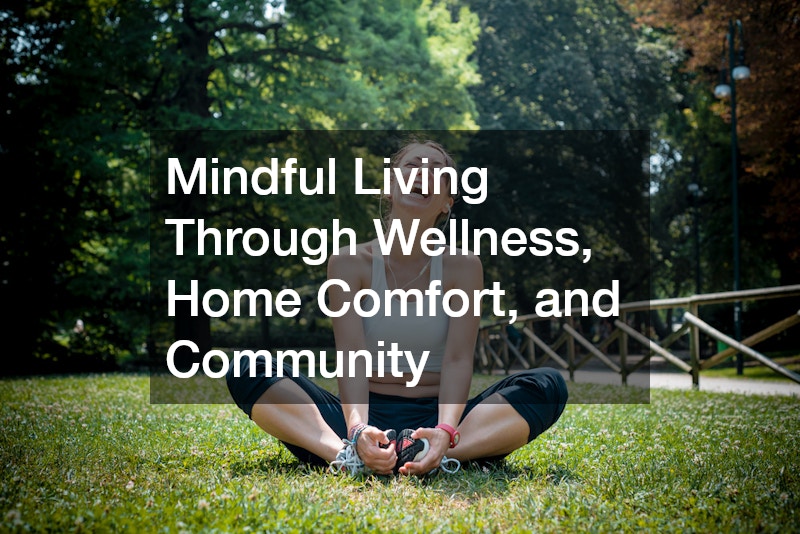
Mindful living is more than a buzzword. It’s a practical approach to building a healthier, more balanced life through intentional choices about how you care for your body, your home, and your relationships. When people slow down and pay attention to their surroundings, daily routines become opportunities for growth, creativity, and connection.
Wellness doesn’t happen in isolation. It often grows from the spaces we inhabit, the people we interact with, and the habits we cultivate. A comfortable home environment can support mental clarity. Community involvement can nurture emotional resilience. Even simple hobbies can encourage mindfulness and reduce stress.
This guide explores meaningful ways to build a mindful lifestyle. Each section focuses on practical strategies that support physical health, emotional well-being, and a deeper sense of belonging. By making thoughtful choices about your environment and activities, you can gradually create a life that feels calmer, healthier, and more fulfilling. Mindfulness also encourages people to step away from constant multitasking and focus on experiences that promote balance. Over time, these small choices can reshape daily routines and lead to a stronger sense of personal well-being.

Create Comfortable Outdoor Spaces That Encourage Daily Relaxation
Spending time outside is one of the easiest ways to bring mindfulness into everyday life. Fresh air, natural light, and greenery help reset your nervous system and create a break from constant digital stimulation. Even short outdoor breaks can provide a mental reset that helps you return to work or daily responsibilities with renewed focus and energy.
One effective way to encourage more outdoor relaxation is by designing a comfortable backyard or patio area. Seating plays a major role here. Adding supportive outdoor cushions to patio chairs or benches makes outdoor spaces feel more inviting and comfortable, which increases the likelihood that you’ll use them regularly.
Consider creating a small relaxation routine outside. For example:
- Read a book outside in the evening instead of watching television
- Practice five minutes of deep breathing on the patio
-
Enjoy morning coffee in a quiet outdoor corner
Comfort also affects posture and relaxation. When seating feels supportive, it becomes easier to sit for longer periods while journaling, meditating, or simply observing your surroundings.
Adding plants, wind chimes, or soft lighting can further transform an outdoor area into a peaceful retreat. The gentle sound of wind chimes or rustling leaves can naturally calm the mind, making it easier to slow down and focus on the present moment.
These small environmental adjustments support mindful living by encouraging moments of quiet reflection throughout the day. Over time, spending even ten to fifteen minutes outdoors each day can help reduce stress and improve your ability to focus on tasks throughout the rest of the day.
Explore Creative Hobbies That Help You Slow Down
Creative hobbies offer a powerful pathway to mindfulness. They encourage concentration, patience, and appreciation for the small details involved in making something by hand.
Handcrafts like embroidery are particularly beneficial for slowing down mental chatter. The repetitive motion of stitching can become almost meditative, helping your mind focus on the present moment rather than worrying about future tasks.
Starting a craft practice doesn’t require professional skills or expensive equipment. Many beginners begin with:
-
Simple embroidery patterns
-
Small hand-sewn projects
-
Decorative home textiles
-
Personalized gifts for family members
Creative hobbies provide more than relaxation. They also give people a sense of accomplishment. Completing even a small project builds confidence and encourages continued exploration of creative outlets.
Over time, hobbies like embroidery can become calming rituals that signal the brain to relax. Practicing them regularly supports mental balance and offers a healthy alternative to constant screen time. Many people also find that crafting in the evening helps them unwind before bed, creating a smoother transition from a busy day to a restful night.
Add Gentle Physical Therapies to Reduce Everyday Stress
Physical tension often accumulates quietly during long workdays, especially when people spend hours sitting at desks or using digital devices. Addressing that tension is an important step toward mindful wellness. When tight muscles are ignored for long periods, they can contribute to headaches, stiffness, and reduced mobility, which can make everyday tasks feel more draining.
Many people have discovered the benefits of vibratory stress relief, a therapeutic approach that uses gentle vibration technology to stimulate muscles and promote relaxation. These devices can help release tight areas in the back, shoulders, or legs after a demanding day. Gentle vibrations encourage blood circulation and may help muscles recover more quickly after physical activity.
Incorporating this type of therapy into your routine can be simple:
- Use a vibration massage tool for five minutes before bed
- Apply targeted vibration therapy after workouts
- Pair relaxation tools with breathing exercises
- Focus on areas where tension builds the most, such as the neck or lower back
Muscle relaxation often improves sleep quality and reduces fatigue. When the body feels relaxed, it becomes easier to focus on mindfulness practices like meditation or journaling.
The key is consistency. Small daily habits that support physical comfort can make a noticeable difference in how you feel throughout the week. Setting aside just a few minutes each evening for muscle relaxation can help prevent minor tension from building into long-term discomfort.

Seek Professional Support When Your Body Needs Alignment
While daily wellness habits are valuable, professional care sometimes plays an important role in maintaining physical health. Pain, stiffness, or posture issues can interfere with both productivity and overall well-being.
Visiting a qualified chiropractic clinic may help individuals who experience recurring back pain, neck tension, or limited mobility. Chiropractors focus on spinal alignment and musculoskeletal health, which can influence how the entire body functions.
Many people include chiropractic visits as part of a broader wellness strategy that also includes:
-
Stretching and mobility exercises
-
Ergonomic workplace adjustments
-
Improved posture awareness
These combined practices can help restore balance in the body and reduce the physical strain caused by long hours at a desk or repetitive movements.
When your body moves more comfortably, it becomes easier to stay present and engaged with daily activities — a core principle of mindful living. Routine check-ins with healthcare professionals can also help identify potential problems early before they begin interfering with your quality of life.
Capture Meaningful Moments to Strengthen Gratitude
Mindfulness often begins with noticing the small moments that make everyday life meaningful. Photography can help people practice that awareness.
Working with a skilled photographer during family events, milestone celebrations, or personal projects allows you to preserve important memories tangibly. But photography can also become a mindfulness practice on its own.
Taking photos encourages people to observe details they might otherwise overlook:
-
The changing colors of a sunset
-
The laughter during a family gathering
-
Quiet moments during a walk in nature
Keeping a small photo journal or digital album can reinforce gratitude. Looking back at images of meaningful experiences helps remind people of positive moments during stressful periods.
Whether done professionally or as a hobby, photography encourages appreciation for the present moment — a central element of mindful living. Many people even turn daily walks into mini photo projects, capturing small details in their neighborhood that might otherwise go unnoticed.
Keep Your Home Healthy by Addressing Environmental Hazards Early
A comfortable home environment supports both physical and mental wellness. However, hidden issues within a house can disrupt that sense of comfort if they go unnoticed.
Moisture problems are one example. Excess humidity or leaks may create conditions where mold develops, potentially affecting indoor air quality. When signs of mold appear, contacting a qualified mold removal contractor can help address the problem safely and effectively.
Preventive steps can also help maintain a healthier living environment:
-
Regularly inspect basements and bathrooms for moisture
-
Improve ventilation in kitchens and laundry areas
-
Use dehumidifiers when humidity levels rise
A clean and healthy home reduces stress and creates a more peaceful atmosphere. When people feel safe and comfortable in their living spaces, they can focus more easily on relaxation and mindfulness. Maintaining a routine cleaning and inspection schedule can also prevent minor issues from becoming expensive repairs later.

Discover Unique Items That Add Personality to Your Space
Mindful living also involves surrounding yourself with items that bring meaning or joy. Home décor doesn’t need to be expensive to feel special. In many cases, the most meaningful pieces come from unexpected places.
Local auctions can be excellent opportunities to discover vintage furniture, artwork, and household items with history and character. These events often feature unique pieces that you won’t find in traditional retail stores.
Approaching auctions thoughtfully can turn them into enjoyable experiences rather than competitive bidding wars. Consider these tips:
-
Set a spending limit before attending
-
Research items that interest you
-
Focus on quality and personal value
Decorating your home with thoughtfully selected items encourages emotional connection with your living space. Each piece can tell a story, creating a more personal and comforting environment. Over time, these carefully chosen items help transform a house into a space that reflects your personality and experiences.
Spend Time in Nature to Reconnect With Yourself
Modern life often separates people from nature, yet outdoor activities remain one of the most powerful tools for restoring balance and clarity.
Participating in horse riding lessons offers a unique way to reconnect with the natural world. Riding combines physical movement, emotional awareness, and interaction with animals, all of which encourage mindfulness.
Learning to ride requires focus and patience. Riders must pay attention to posture, breathing, and communication with the horse. This level of attention naturally pulls the mind into the present moment.
Beyond the mental benefits, horseback riding also improves:
-
Core strength and balance
-
Coordination and posture
-
Confidence and emotional awareness
Regular time outdoors helps reduce stress hormones and supports overall well-being, making activities like horseback riding valuable additions to a mindful lifestyle. Many riders also describe a strong emotional bond with horses, which can deepen feelings of calm and connection during each session.
Build Meaningful Community Connections Through Shared Support
A strong sense of community plays an important role in emotional health. Relationships built on empathy and shared experiences can help people navigate life’s challenges with greater resilience.
Organizations such as an adoption agency often serve as hubs for community support. Families involved in adoption frequently connect through educational programs, support groups, and local events.
Even individuals who are not directly involved in adoption can participate in community-building activities by volunteering or attending educational events hosted by these organizations.
Community engagement supports mindful living in several ways:
-
Encouraging compassion and empathy
-
Creating opportunities for meaningful relationships
-
Providing emotional support during life transitions
When people feel connected to others, they experience a greater sense of purpose and belonging. Strong support networks can also help individuals maintain emotional balance during stressful or uncertain times.

Embrace Intergenerational Learning and Support
Communities thrive when different generations learn from each other. Older adults bring valuable life experience, while younger generations contribute fresh perspectives and energy.
Many senior living communities now emphasize active engagement rather than isolation. These environments often offer educational programs, hobby groups, and volunteer opportunities that encourage residents to stay socially connected.
Intergenerational activities may include:
-
Storytelling or oral history projects
-
Community gardening
-
Skill-sharing workshops
Participating in programs with older adults can provide valuable insights into resilience, patience, and gratitude. These qualities naturally align with mindful living principles.
By encouraging connection across generations, communities strengthen social bonds and create opportunities for meaningful relationships. These interactions often remind people that wisdom, kindness, and shared experiences can bring communities closer together.
Mindful living grows from a series of intentional choices that support wellness, comfort, and community connection. By paying attention to how you care for your body, design your living space, and interact with others, everyday life becomes more balanced and fulfilling.
Small habits can create meaningful change over time. Creative hobbies can quiet the mind. Outdoor activities can restore energy. Healthy living environments can improve both physical comfort and mental clarity. Community involvement can deepen your sense of belonging.
When these elements work together, they form a lifestyle that supports long-term well-being. Mindfulness isn’t about perfection — it’s about noticing what truly supports your health and happiness and making space for more of it in your daily life.